Human capability, deliberately organized
Judgment, relationships, shared meaning and experience are foundations of that advantage. Their strategic value depends on how deliberately an organization brings them together in pursuit of its strategy.
TALENT ALONE IS NOT A MOAT. NEITHER IS TECHNOLOGY.
Lasting competitive advantage comes from how people think, decide, commit and act together.
The Human Moat is the strategic orchestration of these human capabilities into an advantage competitors cannot easily replicate.

The big idea
Where we work01Refresh strategy02Define required capabilities03Build adaptive capacity04Improve performance & profitabilityStrategy creates the requirement.Human capabilities determine whether the organization can deliver it.Leadership must adaptively orchestrate those capabilities as a system.
Adaptation evolves the strategy.That system is built through shared intelligence, distributed judgment, collective commitment and adaptive execution—turning individual capability into collective performance.
Judgment, relationships, shared meaning and experience are foundations of that advantage. Their strategic value depends on how deliberately an organization brings them together in pursuit of its strategy.
These capabilities underpin organizational AI readiness: trusted knowledge, accountable judgment, coordinated work redesign and learning from results. Technology creates possibilities; the human system turns them into business performance.
Explore organizational AI readiness →Build your competitive advantage
Your advantage depends on how well the organization works as a whole. Which of these challenges is limiting what your people can achieve together?
01 · COORDINATION
Functions and business units perform well individually, but disconnected priorities limit what the organization achieves together. Turn local strengths into collective advantage.
Connect the organization →02 · SHARED DIRECTION
Across regions, generations and working cultures, priorities can be interpreted differently. Build the shared direction needed to compete together without losing valuable differences.
Build shared direction →03 · EXECUTION
Decisions, accountability and ways of working are not consistently translating strategic priorities into results. Close the gap between the advantage you intend and the performance you deliver.
Align strategy and execution →04 · NEXT-STAGE CAPABILITY
Growth, AI or transformation demands more of the organization. Build the leadership, learning and operating capabilities that turn the next ambition into a competitive advantage.
Build next-stage capability →Harry Ensley works with CEOs, CHROs, CIOs, COOs and other C-suite leaders where competing priorities, organizational politics and conflict are holding back execution. His experience includes the leadership and stakeholder side of global system implementations across 11 countries, multiple M&A projects and organization design across business functions.
01 · DIAGNOSE
Clarify the real constraint, establish the evidence and identify the few changes most likely to improve performance.
02 · DELIVER
Design and implement a focused intervention with leaders—not a generic program imposed on the organization.
03 · LEAD
Step into the organization with executive accountability when the mandate requires embedded leadership and hands-on delivery.
03 · The Human Moat - The Framework
The moat is not talent alone. It is the organizational capacity created when people, leadership practices and operating systems reinforce one another.
THINK TOGETHER
People understand the strategy, economics and operating context well enough to make good decisions.When it worksPeople act from shared strategic, customer and economic context.When it breaks downKnowledge fragments and teams optimize for different realities.
DECIDE CLOSE TO THE WORK
People have the capability, authority and information required to exercise judgment close to the work.When it worksSound decisions are made quickly, close to the work.When it breaks downDecisions escalate, accountability blurs and leaders become bottlenecks.
COMMIT TO SHARED OUTCOMES
People understand how their contribution matters and have meaningful reasons to invest effort.When it worksTeams coordinate across boundaries around shared outcomes.When it breaks downLocal priorities win and cross-functional friction slows execution.
ACT, LEARN AND ADAPT
Teams turn experience and results into organizational learning—adjusting decisions, operating practices and execution without waiting for a crisis or constant top-down intervention.When it worksTeams learn from results and adjust before conditions force them to.When it breaks downPlans persist despite evidence and change depends on crisis intervention.
Business impact
The measures depend on the constraint, but the contribution pathway should always be explicit: strengthen organizational capability, change operating behaviour and improve business results.
Faster decision cycles, clearer accountability, stronger coordination and more reliable delivery.
Less friction and rework, stronger technology adoption and more value from talent, systems and growth investments.
Improved margin, cash flow, integration value and return on invested capital where the evidence supports attribution.
Why Harry
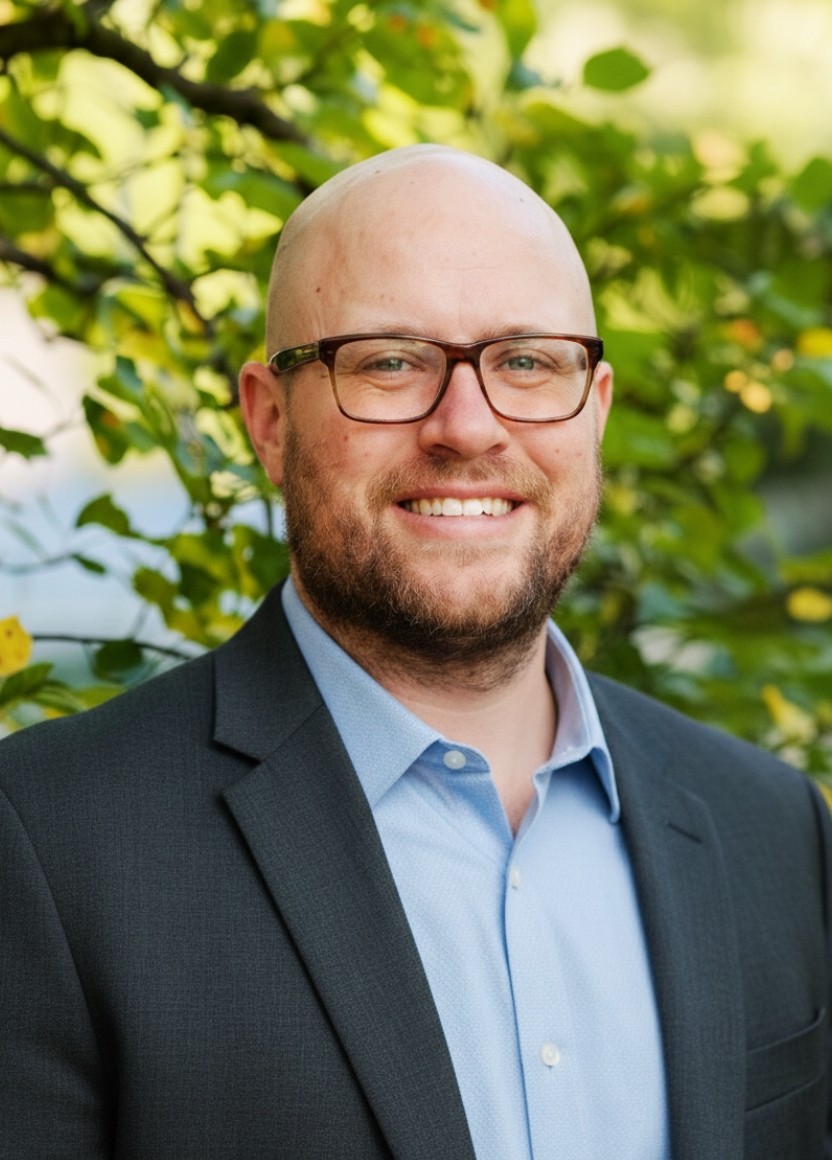
Harry Ensley’s work centres on the leadership and political realities of organizational change: aligning stakeholders, resolving conflict and building agreement across competing interests. His experience spans technology, finance, sales, HR and operations.
In global system implementations across 11 countries, his contribution focused on leadership and stakeholder alignment, including in projects deemed high risk. He has also led multiple M&A projects, resolved conflicts involving up to three organizations in a single dispute, and redesigned organizations across business functions.
Trained in organizational effectiveness, HR and change management, Harry helps leaders address how authority, relationships and competing priorities shape execution. His focus is building the shared direction and accountability needed to turn strategy into coordinated action.
Leadership of multiple M&A projects
Leadership and stakeholder alignment · 11 countries
Small organizations to Fortune 500
Union, non-union and privately owned environments
Where the work begins
A focused conversation can reveal where organizational capability is limiting strategy and execution.
The Human Moat Journal
Read essays on judgment, organizational capability, leadership and the systems that turn technology into durable performance.